Garden Clearance in Chislehurst

Garden clearance in Chislehurst helps turn overgrown, cluttered and hard-to-manage outdoor spaces into tidy ground that is ready for the next stage of use. Whether a garden needs a full clear-out after seasonal build-up or a more selective removal of cuttings, branches, soil, broken pots and general outdoor waste, our service is shaped around practical clearing work rather than vague tidying. The focus is on removing unwanted material efficiently, separating reusable and recyclable items where possible, and leaving the space easier to maintain.
We handle a wide range of garden waste removal tasks, from bags of hedge trimmings and grass cuttings to heavier items such as timber offcuts, dismantled planters, damaged fencing sections and old outdoor furniture. For many customers, the main value is that the work is done as one coordinated clearance rather than as several smaller trips to a tip or recycling point. If you need a straightforward way to reclaim space outdoors, it is sensible to request a quotation and describe the kind of material that needs moving.
A good clearance begins with understanding the volume, weight and accessibility of the waste. Piles tucked behind sheds, narrow side access, damp green waste and mixed materials can all affect the time and equipment needed. We work with the reality of the site, not an idealised version of it, so the approach can be adjusted for a modest front garden, a rear space full of cuttings, or a larger plot that has been left to build up over time. That flexibility matters because no two gardens create the same clearance pattern.
What our garden clearance covers
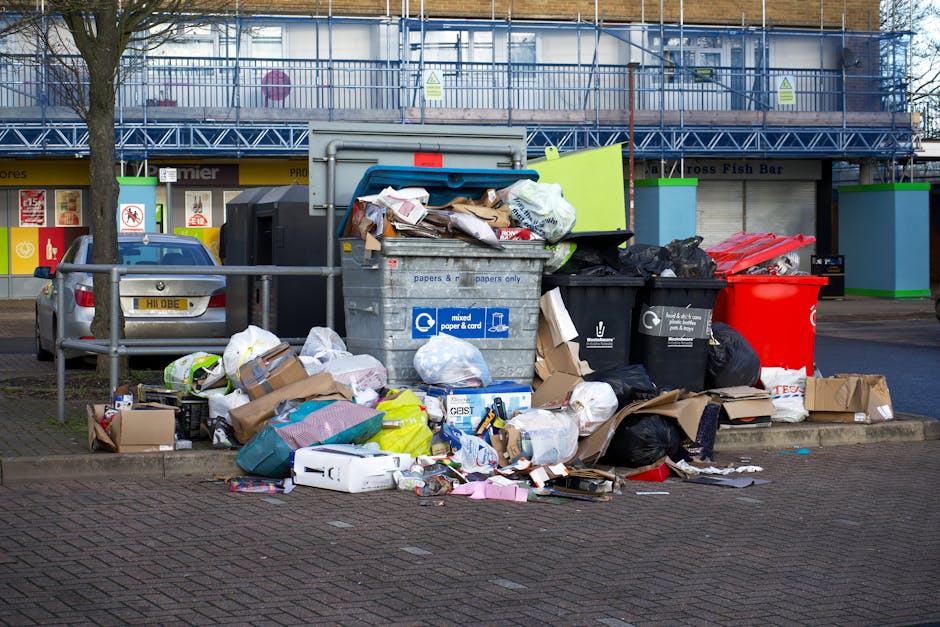
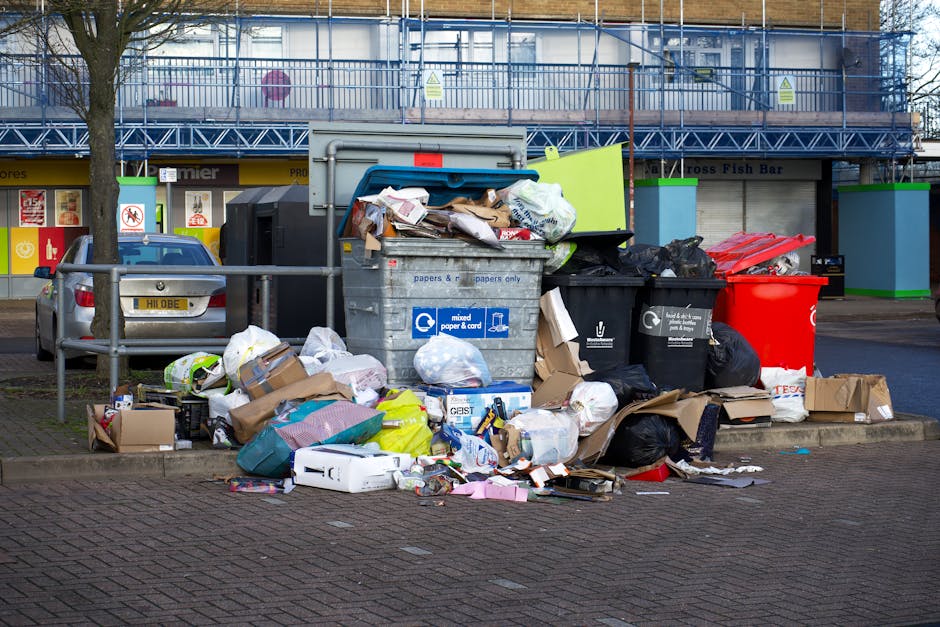
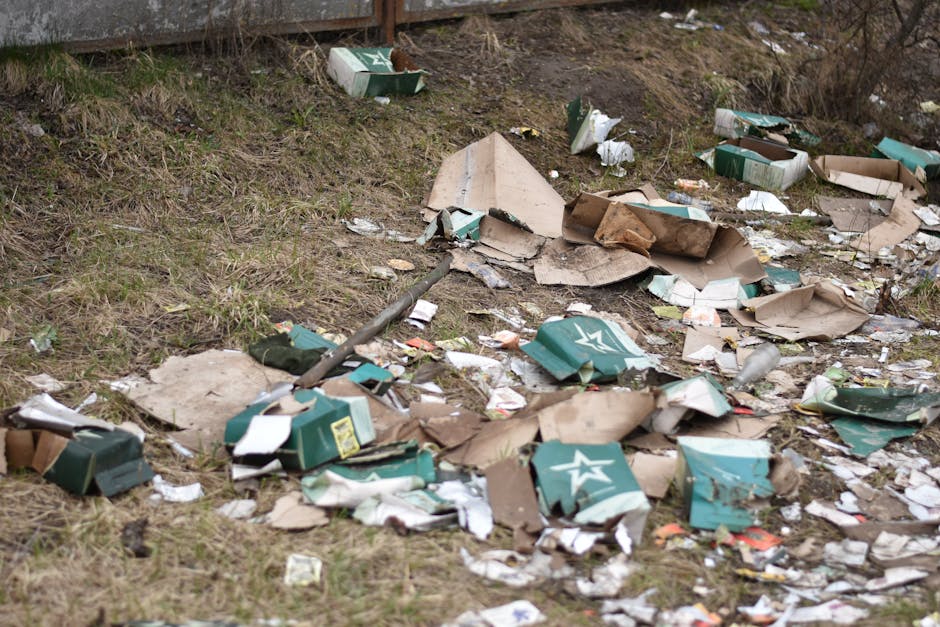
Our garden clearance work is designed to deal with the kinds of waste that commonly accumulate outdoors without requiring the customer to sort everything into separate piles first. Typical jobs may involve green waste, prunings, roots, branches, leaves, turf, dead plants, soil in manageable amounts, plastic pots, broken ornaments and weather-damaged outdoor items. Where materials are mixed, we separate what can be diverted away from disposal routes before the waste leaves the site, keeping the process orderly and proportionate to the job.
For customers with more than one type of outdoor waste, it helps to think in terms of categories rather than individual items. Green waste is usually straightforward, while heavier or awkward items can change the removal plan. We can clear loose debris after pruning, sacks from a longer period of maintenance, or the contents of a space that has become difficult to use because it has filled with offcuts and old garden equipment. A clear request makes it easier to prepare an accurate price and the right collection approach.
Common items included in garden clearance can be grouped like this:
- branches, hedge trimmings and other green cuttings
- old plant pots, trays and broken containers
- bagged leaves, weeds and general garden debris
- small outdoor furniture, decking offcuts and timber waste
- dismantled sheds or broken fittings where access and quantity suit the job
Clearing overgrowth and seasonal build-up

Many garden clearances begin with growth that has been left to mature beyond normal maintenance. Overgrowth can create hidden piles of waste, tangled stems and compacted debris that are awkward to move until the space is opened up. In these jobs, the aim is not simply to haul everything away, but to remove material in a sensible order so the surrounding area becomes workable again. That may mean starting with loose top layers before reaching bulkier branches or rooted material underneath.
Seasonal build-up also plays a large part in outdoor waste removal. After pruning, stormy weather or an extended gap in maintenance, gardens often collect mixed material that does not fit neatly into one container or bag. Our service can cover those accumulated jobs where the waste has grown beyond routine bin collections or general household handling. It is often the combination of light, bulky and muddy material that makes a professional clearance useful, especially when access is limited or the pile has spread.
In practical terms, overgrowth clearance tends to work best when the customer identifies what should stay and what should go. That may include protecting mature planting, avoiding damage to boundary features and removing only the unwanted growth and waste. If the job also includes items such as old trellis, broken edging or disused garden furniture, those can be dealt with as part of the same visit, provided they are described clearly at the start.
Garden waste, bulky items and mixed loads
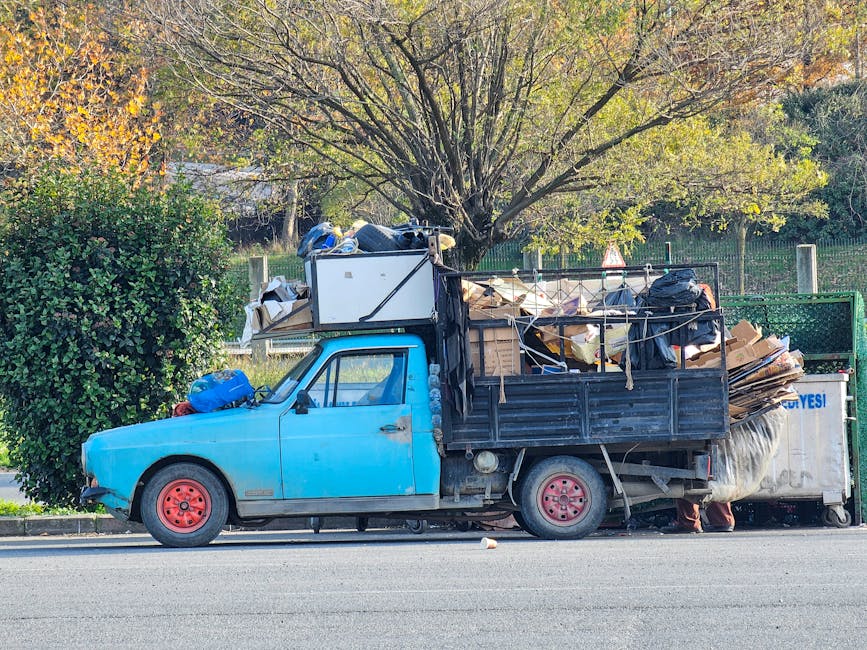
Not all garden clearance is lightweight green waste. Some jobs involve heavy mixed loads that include soil, rubble left from landscaping, timber, rusted tools, damaged storage items or broken outdoor fixtures. These mixed loads need a practical approach because the lifting effort, collection method and final disposal route may all differ. Our team can remove a combination of materials in one job when the scope is sensible, which helps avoid the disruption of splitting the work into separate visits.
Bulky outdoor items often take up more room than customers expect, even when they are no longer usable. Disused planters, old compost bins, water butts, dismantled garden structures and worn furniture can dominate a small yard or side return. Clearing these items can make the space feel usable again, but it also reduces the day-to-day problem of navigating around awkward objects. Where a load includes both heavy and lighter waste, the best plan is usually based on what can be loaded safely and efficiently together.
The main decisions at this stage are usually about scale, access and sorting. If there are separate materials that need to be kept apart, such as reusable timber or items with scrap value, that should be mentioned before the quote is prepared. We can then plan for the right vehicle space and the correct handling sequence. It is often the simplest route for customers who want the garden cleared without managing every stage themselves.
Garden clearance for tidier boundaries and usable spaces

Outdoor spaces are rarely used in only one way, so a garden clearance can support several aims at once. Some customers want room to replant, others want to restore access to sheds, gates or seating areas, and some simply need to remove accumulated waste that has made the garden feel closed in. Our clearance work is aimed at creating a tidy, open result from the material that is actually present, rather than treating each job as though it were a perfect standard layout.
When a garden has visible waste along edges, fences or wall lines, those boundary areas often need attention first because they are where material collects. Cuttings, broken panels, old edging and garden miscellany can pile up against the perimeter and make the whole space look more neglected than it really is. Clearing these edge zones often gives the fastest improvement. It also helps reveal whether there is any additional waste hidden behind storage items or in overlooked corners.
The best outcomes usually come from pairing the clearance with a clear idea of the intended future use. If the area is to be replanted, re-turfed or simply kept easier to maintain, we can remove the waste that is getting in the way of that goal. That kind of practical removal is at the heart of the service: it is not about changing the garden’s design, but about clearing what is no longer wanted so the space can be put back into service.
Preparation, access and quotation details
To prepare an accurate quotation, it helps to know what type of waste is involved, how much there is and how easy it is to reach. Photographs can be useful, especially where the job includes a mixture of green waste, bulky items and hard-to-describe material. A brief note on access, such as narrow side passages, steps, locked gates or distance from the roadside, can also make the estimate more precise. This is not about creating extra admin; it is about matching the right removal plan to the actual site.
There are a few simple details that make a garden clearance easier to plan. These include whether the waste is loose or bagged, whether anything is mixed with soil or rubble, and whether there are items that need special handling because of their size or condition. If you are unsure how much is included, it is usually better to describe the visible pile honestly than to overstate or understate it. That approach leads to a more useful quote and avoids confusion on the day.
When people request a quotation, they often want a clear sense of the practical factors involved rather than broad promises. The main influences are volume, type of waste, loading difficulty and disposal route. If you are ready to move forward, ask for a quote with a short description of the garden, and include any important access notes so the estimate reflects the real job.
About Chislehurst
Chislehurst is a village-like suburb in the Royal Borough of Bromley, south-east London, known for its blend of historic character, green spaces and strong ties to the surrounding Kentish landscape. The area developed from an older settlement pattern that still shows in the layout of its centre, where roads, shops and houses sit alongside long-established landmarks. One of the best-known features is Chislehurst Common, a large expanse of protected open land with woodland paths, ponds and informal recreational space. Close by, Scadbury Park Nature Reserve preserves a valuable mix of meadows, woods and the remains of Scadbury Manor, offering a quieter contrast to the built-up parts of the borough. The village centre includes a number of buildings and places that reflect Chislehurst’s long history, from older pubs and churches to the parish church of St Nicholas, whose origins go back many centuries even though parts of the present fabric have been altered over time. The area is also associated with Chislehurst Caves, a network of man-made tunnels with a varied past that has included chalk extraction, storage and wartime shelter use. Nearby woodland and commons give the district a distinct edge, and together they help explain why it has retained a more spacious and green feel than many other London suburbs. The local street pattern is shaped by lanes, commons and residential roads that follow the natural contours of the land. This combination of conservation land, historic structures and residential character gives Chislehurst a setting that feels both settled and outward-looking, with open ground sitting close to everyday village services.
Selective clearance for garden contents and outdoor fixtures
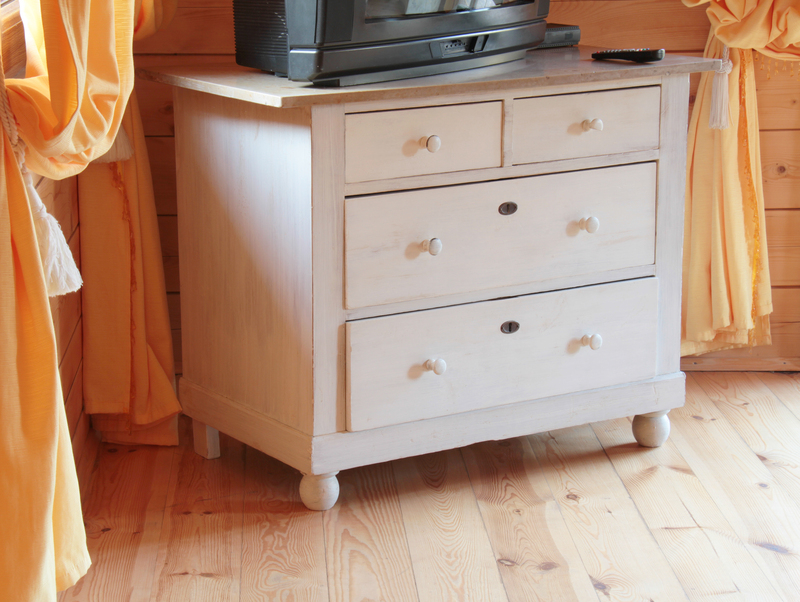
Some gardens contain more than natural waste. Old outdoor fixtures, tired furniture, broken storage and dismantled features can all build up alongside cuttings and leaves. Our service can include those items when they are part of the same clearance, provided they are identified in advance. Removing them at the same time as the green waste is often the most straightforward way to reclaim the usable parts of the garden without leaving a second pile to deal with later.
Selective clearance is useful where a customer wants certain materials removed but others retained. That could mean keeping planters, salvageable timber or specific garden tools while disposing of the rest. It can also mean clearing only a section of the garden, such as the area around a shed, the path to a rear gate or the space beside a patio. By defining the work carefully, the clearance remains controlled and the final result is easier to manage.
If you are preparing for future landscaping or regular maintenance, selective removal can be a practical first stage. It reduces clutter, improves access and makes the remaining space simpler to measure and work with. In many cases, a well-planned clearance avoids unnecessary disturbance and keeps the task focused on the material that is genuinely in the way.
Recycling, sorting and disposal routes
Garden clearance should not be thought of as one undifferentiated load. Different materials often follow different handling routes, especially when green waste is mixed with timber, plastics, metal or inert material. We aim to separate suitable materials where possible so the load is managed in a way that reflects the material type. That may involve keeping clean green waste distinct from non-organic garden debris, or setting aside items that are clearly reusable or recyclable.
The aim of this sorting is practical rather than decorative. It helps the clearance proceed in an orderly way and supports responsible disposal decisions once the waste has been loaded. Not every material can be treated the same way, and some items need to be assessed by their condition rather than by appearance alone. A broken planter, for example, may be handled differently from a reusable container or a load of stems that can be processed as green waste. Careful sorting is part of the service, not an optional extra.
If your garden includes mixed waste from several projects, it can help to keep a rough note of what has been added over time. A small amount of information can make the collection more accurate and reduce the chance of leaving behind awkward leftovers. For customers seeking a tidy, efficient solution, our approach is to deal with the full mixture in a controlled way so the final clearance is complete enough to be useful.
Planning a clearance that suits the space
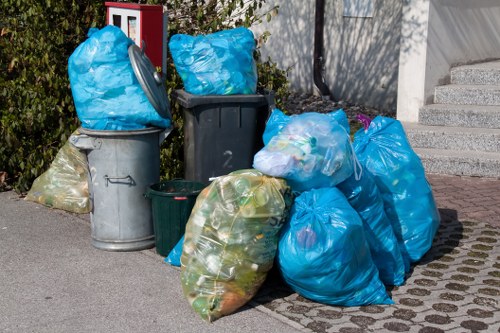
Garden clearance is easier when it is planned around the shape of the space rather than around a fixed assumption. A narrow side return, a stepped rear garden and a large open plot all present different handling conditions. Access routes, surface type and the position of the waste can affect how the removal is organised. The goal is to keep the work efficient while respecting the layout of the garden, so the clearance feels measured rather than disruptive.
Two brief steps usually help most before a quote is issued: first, identify the main categories of waste; second, note anything that may affect movement from the garden to the vehicle. That is enough to establish whether the job is straightforward green waste, a mixed load or a more involved clearance with bulky items. Clear information at the start makes the estimate more dependable and avoids unnecessary back-and-forth later on. If the space is awkward, saying so is usually more helpful than trying to simplify it.
When you are ready to move ahead, send a short description of the garden and the materials involved, then request a quotation in plain terms. We can then respond with a practical plan for the clearance rather than a one-size-fits-all assumption. For many customers, that is the quickest route to getting the outdoor space back under control.