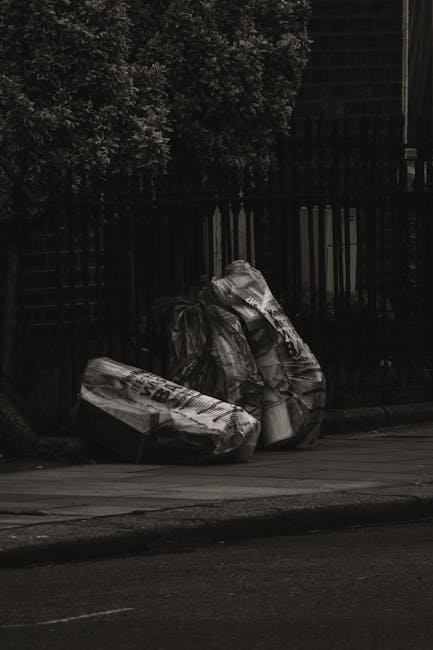
Easy access rubbish removal for narrow Chislehurst streets
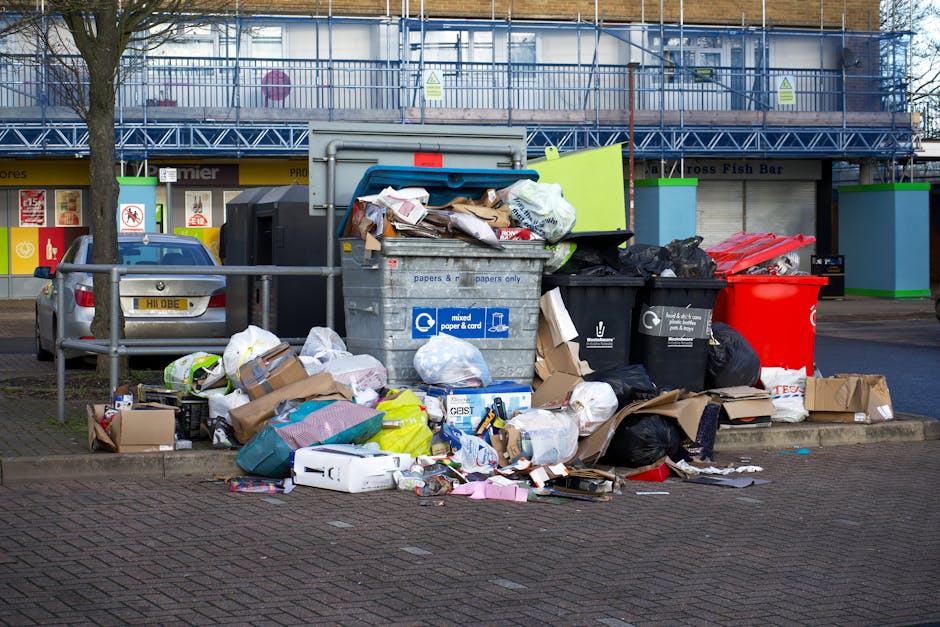
Getting rid of bulky waste is straightforward on a wide road. On a tight one? Not so much. If you live or work on one of Chislehurst's narrower streets, the difference between a simple clearance and a stressful one often comes down to access: where the vehicle can stop, how far items need to be carried, and whether the team can work safely without blocking the whole road. That is exactly where easy access rubbish removal for narrow Chislehurst streets makes life easier.
This guide explains how access-friendly rubbish removal works, why it matters in real day-to-day situations, and what to look for when you need a tidy, practical clearance without the faff. Whether you are clearing a flat, a garage, a loft, renovation debris, or a garden pile that has grown into a small mountain, you will find a sensible way through it here.
One quick note: narrow streets do not mean difficult jobs, they just need a smarter approach. And honestly, that little bit of planning saves a lot of awkward shuffling later.
Why easy access rubbish removal for narrow Chislehurst streets matters
Narrow residential roads are common across many parts of Chislehurst, especially where older housing stock, parked cars, bendy kerbs, and limited turning space all meet in one place. If a collection vehicle cannot stop close to the property, even a relatively small amount of rubbish can become more time-consuming than expected. That extra time often means extra labour, more handling, and a higher risk of something being damaged or missed.
In practical terms, access issues affect three things: safety, speed, and cost. Safety matters because heavy items need lifting correctly, especially on uneven pavements or cramped front paths. Speed matters because nobody wants a clearance to drag on while neighbours, deliveries, or commuters weave around the work. Cost matters because a poorly planned clearance can take longer and may need more people on site than a straightforward job.
There is also the neighbour factor. On a narrow street, a blocked pavement or half-blocked road can quickly cause frustration. A considerate team will think about this before the first item is moved. That means choosing the best stopping point, keeping walkways clear where possible, and organising the load so the job runs in a calm, orderly way. Quiet efficiency goes a long way on a street where every inch counts.
Expert summary: On narrow Chislehurst streets, the best rubbish removal is not just about taking waste away. It is about planning access, reducing handling, protecting property, and keeping the job moving without turning the road into an obstacle course.
How easy access rubbish removal for narrow Chislehurst streets works
The process is usually simpler than people expect, but the details matter. The aim is to keep the collection as close to the waste as possible while staying safe, lawful, and considerate. In many cases, the team will assess the property first, decide where a vehicle can sensibly stop, then work out how the waste should be removed in the fewest practical trips.
For many homes, the work starts with a quick access check: width of street, parking restrictions, front steps, shared entrances, bin-store locations, and whether items are being taken from a basement, loft, rear garden, or top-floor flat. If you have ever tried to manoeuvre a sofa through a narrow hallway while pretending it is "probably fine", you will know why this matters.
Some jobs can be done almost entirely from the kerbside if waste is already brought to the front and the team can park nearby. Others need a more careful carry route through the property or around the back. The best approach depends on the waste type, the volume, and the access limitations on the day.
Services like general waste removal are often the right fit when the rubbish is mixed and there is no need for a specialist clearance. If the job is mainly household items, a broader service such as home clearance or house clearance may be more suitable. For smaller homes, upper-floor properties, or buildings with shared access, flat clearance can be a much neater fit.
Typical workflow
- Request a quote and describe the access as clearly as you can.
- Share photos if possible so the team can judge volume and route.
- Confirm any parking issues, gates, stairs, or tight corners.
- Schedule a time that avoids peak street congestion where possible.
- The team arrives, assesses the route, and begins loading safely.
- Waste is removed and sorted for reuse, recycling, or disposal.
That last point is more important than it sounds. Good rubbish removal is not just "pile it in and drive off." It should also handle sorting and disposal responsibly, especially where recyclable material is mixed with general waste.
Key benefits and practical advantages
The biggest advantage of access-friendly rubbish removal is obvious: it makes a difficult location manageable. But the benefits go beyond convenience.
- Less strain on you: no endless trips carrying awkward items up and down tight paths.
- Lower risk of damage: careful planning reduces knocks to walls, bannisters, garden edging, and parked cars.
- Quicker clearances: shorter carry distances usually mean faster loading.
- Better neighbour relations: efficient work helps avoid a long disruption on a busy street.
- Cleaner finish: waste can be removed in one planned visit rather than spread over several days.
- More suitable for mixed access sites: useful for cottages, terraces, mews-style properties, and older buildings with tricky entrances.
There is a subtle but real benefit too: confidence. When you know the access has been thought through, the whole clearance feels less chaotic. You are not standing there wondering whether the van will fit, or whether the team will need to drag items through the front room. It just feels organised. And that calmness matters when you already have enough on your plate.
If you are comparing job types, it helps to think about the items themselves. Furniture-heavy jobs may be best aligned with furniture clearance or furniture disposal, while a garage full of odds and ends may suit garage clearance. A bit of matching goes a long way.
Who this is for and when it makes sense
This type of service is useful for anyone dealing with waste where access is not ideal. That includes homeowners, landlords, letting agents, tradespeople, shop owners, office managers, and people helping family members clear a property. In Chislehurst, the most common situations are rarely dramatic. They are just awkward enough to make a standard collection more complicated than it should be.
It makes sense when:
- the road is too narrow for a vehicle to stop close to the property;
- parking is restricted or tight;
- the property has stairs, split levels, or a long carry to the front;
- there is bulky furniture that is hard to manoeuvre;
- you need a quick turnaround before a move, sale, or rental changeover;
- you are clearing a loft, garage, office, or garden with limited access routes.
It is also useful for businesses. A small office tucked away on a side street may not have room for standard bin collections or frequent skip visits. In that case, a more flexible service such as business waste removal or office clearance can be much easier to manage.
Landlords and agents tend to like access-friendly collections because they can restore a property quickly between tenancies. Tradespeople value them because builders' waste can pile up fast, and nobody wants rubble sitting where a narrow street already creates pressure. For that kind of work, builders waste clearance can be the more suitable route.
Step-by-step guidance
If you want the smoothest possible clearance, a little preparation makes a big difference. Nothing fancy. Just the kind of sensible prep that stops the day from becoming messy.
1. Map the access route
Walk the route from the waste to the road. Look at gates, steps, tight corners, low branches, cars, and anything that might force a pause. If you need to lift items over a threshold or through a narrow hallway, mention it. The route matters as much as the waste itself.
2. Separate what is going
Even if the service accepts mixed waste, sorting obvious groups helps. Put furniture together, bag loose rubbish, keep recyclables separate if you can, and identify anything that needs special handling. One of those jobs where an extra ten minutes up front saves half an hour later.
3. Take a few useful photos
Photos help the team judge the size of the job and the access conditions. Try to include the waste, the pathway, the stairs or doorway if relevant, and the road outside. A blurry close-up is not ideal; a wider view is better.
4. Mention parking or timing issues early
If the street gets busy at school-run time or if loading only works at a certain time of day, say so. On narrow streets, timing can be half the battle. A clear conversation beforehand is cheaper than improvising on arrival.
5. Clear small trip hazards
Move plant pots, loose mats, bicycles, and anything that could catch a wheel or boot. If you have an awkward front step or fragile edging, point it out. It sounds obvious, but these little details are what stop a routine clearance turning into a clumsy one.
6. Confirm disposal expectations
Ask how the waste will be handled after collection. Reuse and recycling should be part of the conversation, not an afterthought. If you want a service with a sustainability focus, it is worth reviewing recycling and sustainability practices before you book.
Expert tips for better results
Here is the thing: the best access job is usually the one where everybody understands the constraints before the van arrives. Sounds simple. Yet it is where many jobs go sideways.
Tip 1: Be brutally honest about access. If the driveway is "technically there" but blocked by a neighbour's vehicle most mornings, say that. If the gate sticks. If the stairwell is awkward. If the waste is at the far end of a long garden. Tell the truth upfront. It helps more than you think.
Tip 2: Don't leave everything to the last minute. People often say, "We will just move the stuff before they arrive." Fair enough, but then the weather changes, a school run starts, or a sofa turns out to be heavier than memory suggested. Give yourself buffer time.
Tip 3: Bundle small loose items. Bags, boxes, and smaller debris are easier to carry when they are grouped sensibly. Loose bits scattered across a narrow passage slow everyone down.
Tip 4: Think about sound and neighbours. Clattering metal, dragging furniture, and constant door opening can carry more on a quiet street than you expect. A tidy, steady loading style is better than a noisy rush.
Tip 5: Use a service that is used to mixed access conditions. Some clearances are simple driveway jobs. Others need careful carry work, good judgement, and a bit of patience. Experienced teams do not get flustered by a tight hallway and a low archway. They just get on with it.
And yes, sometimes the sensible answer is to split the job into a small number of well-planned loads rather than trying to do everything in one heroic push. Heroic push is not a strategy.
Common mistakes to avoid
Most problems with narrow-street clearances are avoidable. Usually. Not always, but usually.
- Underestimating access: saying a vehicle can park "nearby" when nearby still means a long carry and several stairs.
- Not measuring awkward items: a wardrobe or sofa can be fine in theory and impossible in practice.
- Forgetting road restrictions: loading space, parking controls, and resident-only zones can affect timing.
- Leaving items in separate rooms with no plan: this makes the team spend time hunting things down.
- Assuming all waste is the same: mattresses, timber, metal, green waste, and mixed rubble can be handled differently.
- Choosing the cheapest quote without checking the access assumptions: a low price can look good until the job gets re-priced because the details were missed.
The biggest mistake, though, is probably silence. If there is a squeeze point, mention it. If there is a back entrance. If the road is busy. If the street has a weird bend that makes parking a pain. These are not minor details, they are the job.
Tools, resources and recommendations
You do not need specialist equipment for every clearance, but the right basics make life easier.
| Item or method | Best for | Why it helps |
|---|---|---|
| Photos of the access route | Quotes and planning | Lets the team judge space, stairs, and carrying distance |
| Strong rubble sacks or bins | Loose rubbish and small fragments | Reduces spills on narrow paths |
| Labels or sticky notes | Mixed contents in a house or office | Makes keep, dispose, and recycle decisions faster |
| Measuring tape | Bulky furniture | Helps confirm whether items will fit through the route |
| Clear floor space near the exit | Any access-limited property | Shortens loading time and avoids double handling |
| Advance booking window | Busy streets and time-sensitive jobs | Allows the team to plan around traffic and parking constraints |
For pricing clarity, it is sensible to review pricing and quotes information before you confirm anything. That way, you know whether the quote reflects the access conditions and the amount of waste, rather than relying on guesswork. Nobody enjoys surprise add-ons halfway through the day.
If the clearance is connected to an older property, a loft, or a larger home sort-out, you may also find it helpful to compare services like loft clearance and garage clearance to see which one matches the job best.
Law, compliance, standards, or best practice
For rubbish removal, the practical focus is usually on safe handling, proper disposal, and preventing nuisance on the street. You do not need to become a compliance expert to book a collection, but a few best-practice principles are worth keeping in mind.
First, waste should be handled responsibly and taken to appropriate facilities. A good clearance service should be clear about where mixed materials go and how recyclable items are separated where possible. Second, loading in narrow streets should be done in a way that protects pedestrians, vehicles, and property. Third, any team working with waste should take care with lifting, trip hazards, and traffic movement. That is especially important where pavements are tight or visibility is poor.
If you are clearing a business property, there may be additional expectations around documentation, storage, and how waste is transferred. For that reason, commercial customers often prefer a provider that is comfortable with business waste removal as well as domestic jobs.
Insurance is another sensible consideration. If items are being moved through narrow halls, up stairs, or past delicate fittings, you want confidence that the company treats safety seriously. It is perfectly fair to ask about that. In fact, you should. A quick review of insurance and safety information can help you feel more comfortable before booking.
For customers who value the way the company handles people and process as well as waste, pages such as about us and health and safety policy can also give useful reassurance.
Options, methods, or comparison table
There are a few ways to tackle rubbish in a narrow street. The right one depends on how much you have, how quickly it needs to go, and how tight the access is.
| Method | Best for | Pros | Trade-offs |
|---|---|---|---|
| Kerbside loading | Waste already near the road | Fast and efficient when access is good enough | Not suitable if parking or stopping is restricted |
| Property carry-out | Items inside the home, loft, or rear garden | Very practical for awkward buildings | Can take longer if the route is long or cramped |
| Room-by-room clearance | Full property clearances | Useful for sensitive or larger jobs | Needs more planning and a clear priority order |
| Specialist furniture or flat clearance | Bulky or location-specific jobs | Matches the task more closely | May require clearer item descriptions up front |
If you are unsure which route fits your situation, think about the waste first and the access second. In many cases, that pairing makes the answer obvious. A single bulky sofa on a narrow road? Furniture disposal. A packed flat with mixed items? Probably flat clearance. Garden waste from a tight rear passage? Garden clearance may be the better match.
Case study or real-world example
A typical Chislehurst-style scenario might look like this. A resident in a narrow side street needs to clear a mix of old furniture, bagged household waste, and a few boxes from a loft room. The road is busy in the morning, parking is tight, and there is only a slim pathway between the house and the boundary wall.
The sensible solution is not to force a single all-at-once approach. Instead, the job is planned around the access route. The waste is grouped near the front door where possible. Heavier items are identified first so the team knows what needs two-person lifting. Loose items are bagged. Photos are sent in advance. The collection time avoids the busiest part of the day.
When the team arrives, they can assess the route, protect the awkward corners, and load efficiently. No drama. No last-minute panic about whether the wardrobe will fit through the hallway. Just a controlled, steady clearance. The customer gets the space back, the street stays relatively calm, and the whole thing feels manageable rather than disruptive.
That is the real point of easy access rubbish removal on narrow streets: it turns a fiddly job into a practical one. Not magic. Just good planning and a bit of experience.
Practical checklist
Use this simple checklist before your collection. It is quick, but it saves trouble.
- Have I described the narrow street or access issue clearly?
- Have I mentioned stairs, gates, corners, or long carry distances?
- Have I taken photos of the waste and the route?
- Are bulky items measured or at least roughly sized up?
- Have I checked for parking or loading restrictions?
- Is the waste grouped into sensible piles or bags?
- Have I separated anything that should be kept?
- Do I know whether the job is better suited to home, house, flat, garage, loft, or office clearance?
- Have I asked about recycling and disposal handling?
- Am I clear on timing and how long the job is likely to take?
If you can tick most of those off, you are in good shape. And if you cannot, no problem - it just means the quote conversation needs a little more detail.
Conclusion
Easy access rubbish removal for narrow Chislehurst streets is really about making awkward spaces workable. The best results come from honest access details, sensible planning, and a clearance method that fits the property rather than fighting it. When those pieces line up, the whole job feels lighter, faster, and far less stressful.
Whether you are clearing a home, a flat, a loft, a garage, a garden, or a small business unit, the principle is the same: think access first, waste second, and timing third. Do that, and even a cramped street can be handled smoothly. Truth be told, that is usually what people want most - not a dramatic service, just a calm one that gets the job done properly.
Get a free quote today and see how much you can save.
If you are ready to arrange a straightforward collection, the best next step is to compare your waste type, your access route, and your preferred timing, then speak with a team that understands narrow-street clearances and treats the job with care.
Frequently Asked Questions
Can rubbish removal work on very narrow Chislehurst streets?
Yes, it often can. The key is planning. If the vehicle cannot stop right outside, the team can usually work from the nearest practical point and carry items safely from the property. Access details matter more than people think.
What should I tell the clearance team before booking?
Tell them about the street width, parking restrictions, gates, steps, long driveways, rear access, shared entrances, and any bulky items. A few good photos usually help more than a long explanation.
Is easy access rubbish removal more expensive?
Sometimes access affects pricing because it changes how long the job takes and how many people are needed. But not always. A short, efficient carry with good parking may still be very straightforward. The best way to know is to get a clear quote based on the actual site conditions.
Do I need to move the rubbish outside first?
Not necessarily. Many clearances can be taken from inside the property, a loft, garage, or garden. If you can safely group items closer to the exit, that may help, but it is not always essential.
What kinds of waste are common in narrow-street clearances?
Furniture, bagged household waste, boxes, garden cuttings, bathroom items, old appliances, and builders' waste are all common. The most suitable service depends on the mix. For example, furniture-heavy jobs may suit furniture clearance, while renovation debris is usually better handled through builders waste clearance.
How long does a typical access-limited clearance take?
It depends on the amount of waste and the route. A small load with decent access may take less time than you expect, while a full property clearance with stairs and a long carry will naturally take longer. Clear photos and a good description help set realistic expectations.
Can you collect from flats or upper-floor homes with tight staircases?
Yes, that is common. Flat clearance is often the right fit for upper-floor properties, especially where stairwells or communal entrances make access tighter than average.
What if parking on the street is restricted?
Then timing and planning become more important. The team may need to use the nearest legal stopping point and work from there. It is best to mention parking restrictions before the day so the route can be planned properly.
Should I separate recyclable items before collection?
If you can, yes, it can help. Mixed waste is often accepted, but separating obvious recyclables makes the job cleaner and can support better sorting later. If you want to understand how materials are handled, look at the company's recycling and sustainability information.
What's the best service for a garage full of mixed items on a narrow street?
Usually garage clearance is the best fit. It is designed for exactly that kind of mixed, awkward, often slightly dusty pile-up. Let's face it, garages tend to collect everything from old tools to half-used paint tins and broken chairs.
Can I combine a house clearance with furniture disposal?
Yes, that is often sensible. If the property contains both bulky furniture and general household waste, a broader house clearance may be more efficient, with furniture disposal folded into the same visit where appropriate.
How do I know if I should book waste removal or a more specific clearance?
If the waste is mixed and you mainly want it gone, waste removal is often enough. If the job is focused on one area or one type of item, such as a loft, office, or garden, a more specific clearance service may fit better. The clearer your description, the better the match.